
A 24/7 Recovery Guide to Understanding the True Impact of Recovery Decisions on Your Operations and Safety Record
By the PZN 24/7 Recovery Team | Professional Heavy Vehicle Recovery Specialists
Last month, a logistics operator contacted me with a problem that’s becoming increasingly common across Namibia’s transport industry. Their fully loaded articulated truck had overturned on a critical supply route during peak operating hours. The pressure to clear the scene was intense, with mounting penalties for road blockages and frustrated clients demanding immediate answers.
“I chose the recovery operator who could arrive fastest,” he told me. “What I didn’t calculate was what that decision would actually cost.”
The paradox? Focusing solely on response time led to equipment damage, extended road closure, additional recovery attempts, and ultimately far greater operational disruption than the initial incident. This scenario plays out repeatedly across Namibia’s heavy vehicle industry, revealing a critical gap in how operators evaluate recovery services.
The Heavy Vehicle Recovery Reality: What Most Operators Miss
After analyzing incident data from operators across Namibia’s transport sector, patterns emerge that separate successful recovery outcomes from operational disasters. The findings reveal systematic gaps in how heavy vehicle operators evaluate and select recovery services.
| Hidden Impact Factor | Industry Average | Professional Difference |
|---|---|---|
| Secondary damage from improper recovery | 43% | Operators using certified recovery services |
| Extended downtime requiring multiple recovery attempts | 28% | Comprehensive planning reduces repeat attempts |
| Operators calculating comprehensive recovery impact | 32% | Professional operators assess total impact |
The Five Hidden Impact Categories Affecting Your Recovery Outcomes
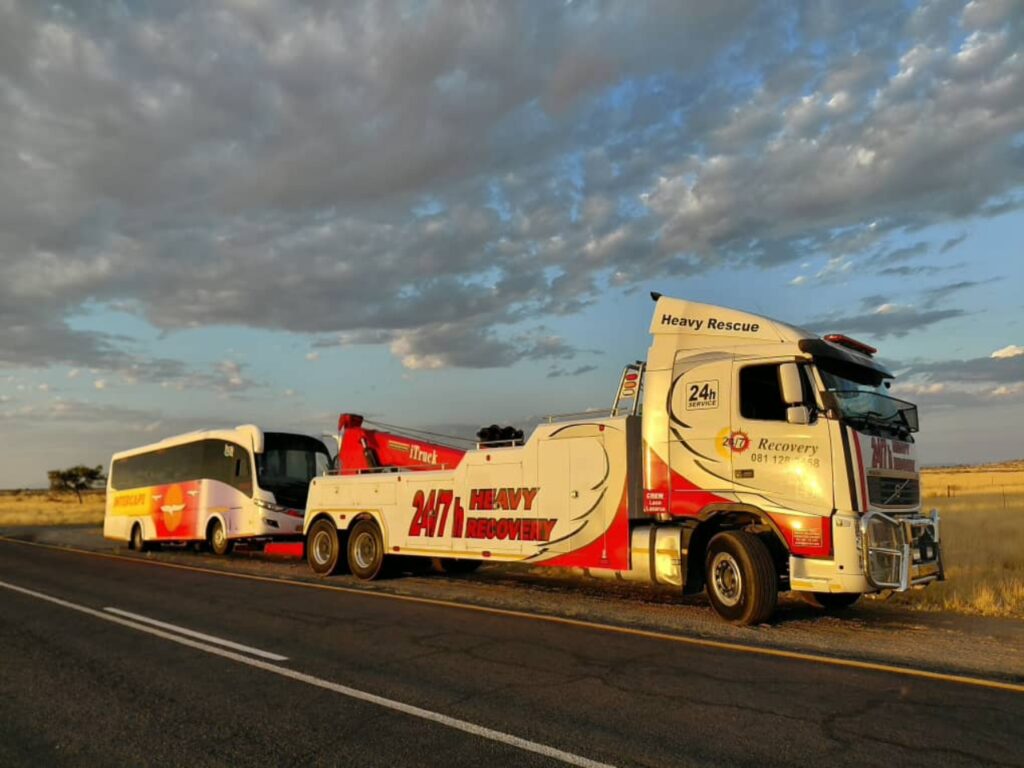
Heavy vehicle recovery involves complex considerations that extend far beyond immediate extraction. Understanding these hidden impact categories helps operators make informed decisions that protect both equipment and operational continuity.
1. The Equipment Capability Gap
Not all recovery equipment can handle every situation effectively. The gap between required and available capabilities creates scenarios where recovery attempts cause additional complications rather than resolving the initial incident.
When recovery operators lack appropriate equipment for specific vehicle types, terrain conditions, or load configurations, several consequences develop:
- Equipment strain leading to mechanical failures during critical recovery operations
- Secondary damage to disabled vehicles from inadequate lifting or pulling techniques
- Extended road closures while sourcing appropriate equipment from distant locations
- Safety hazards when equipment operates beyond design specifications
Real scenario analysis:
A transport operator experienced this equipment gap when their loaded refrigerated trailer overturned on a regional route. The responding recovery service lacked heavy-duty rotator capability for controlled uprighting. The initial recovery attempt using conventional equipment damaged the refrigeration system, compromised the trailer frame, and resulted in complete cargo loss. Securing appropriate equipment from outside the region extended the incident from an estimated four-hour recovery to a multi-day operation with compounding impacts.
2. The Response Coordination Challenge
Heavy vehicle recovery requires coordination across multiple systems: emergency services, traffic management, cargo handling, equipment deployment, and environmental compliance. When recovery operators lack systematic coordination protocols, delays cascade through every aspect of the incident response.
The downstream effects of poor coordination include:
- Extended waiting periods while coordinating multiple service providers
- Regulatory compliance issues when permits and authorizations aren’t secured proactively
- Client communication gaps creating uncertainty about recovery timelines
- Insurance documentation deficiencies complicating claims processing
Conservative impact estimate:
Industry analysis suggests that systematic coordination failures typically extend recovery operations by several hours beyond technical requirements. For cargo time-sensitive to delivery windows, this extended timeline transforms manageable delays into contract breaches with cascading penalty implications across supply chains.
3. The Safety Protocol Compliance Factor
Professional heavy vehicle recovery operates under strict safety protocols designed to protect recovery personnel, traffic, and disabled vehicle operators. When recovery services bypass established safety standards to achieve faster clearance times, the risks extend far beyond the immediate incident.
Critical safety considerations that affect recovery operations:
- Traffic control measures preventing secondary collisions at incident scenes
- Load stabilization protocols before attempting vehicle movement
- Environmental containment for fuel, hydraulic fluids, and cargo materials
- Equipment inspection procedures ensuring operational readiness
- Personnel protective equipment and certified training requirements
Professional recovery operations maintain comprehensive safety protocols even under pressure for rapid scene clearance. This systematic approach protects all parties involved while establishing documentation that supports insurance processing and regulatory compliance.
4. The Documentation and Liability Management Gap
Comprehensive incident documentation serves multiple critical functions: insurance claims, regulatory reporting, liability protection, and operational analysis. Recovery operators who maintain systematic documentation protocols provide protection that extends far beyond the immediate recovery operation.
Professional documentation typically includes:
- Pre-recovery condition assessment with photographic evidence
- Equipment deployment records and operational parameters
- Timeline documentation for coordination with stakeholders
- Post-recovery condition verification and handover protocols
- Environmental compliance records for regulatory requirements
The absence of professional documentation creates vulnerability in several areas. Insurance claims face delays when insufficient evidence supports damage assessments. Liability questions remain unresolved without clear records of vehicle condition and recovery procedures. Regulatory compliance becomes difficult to demonstrate without systematic documentation protocols.
The business impact: Operators who select recovery services based solely on availability often discover documentation gaps when processing insurance claims or responding to liability inquiries. Professional recovery operations maintain comprehensive documentation as standard practice, protecting operators from downstream complications that emerge weeks or months after the initial incident.
5. The Strategic Partnership Deficit
This impact category reveals itself gradually but represents significant value. Heavy vehicle operators who establish relationships with professional recovery services before incidents occur gain advantages that extend far beyond emergency response capabilities.
Professional recovery partnerships typically provide:
- Pre-established communication protocols eliminating coordination delays
- Fleet-specific recovery planning accounting for vehicle configurations
- Priority response commitments during high-demand periods
- Operational insights from incident pattern analysis
- Integrated planning with maintenance and safety management systems
Industry observation suggests that operators maintaining strategic recovery partnerships report improved incident outcomes, reduced operational disruption, and enhanced capability to handle complex recovery scenarios. The relationship investment creates systematic advantages that compound over time across fleet operations.
INTERACTIVE ASSESSMENT: Your Heavy Vehicle Recovery Readiness
Evaluate your preparation level and identify critical gaps in your recovery planning
Pre-Incident Planning:
Incident Response Knowledge:
- 8–10 checked items: Professional Preparedness — You understand comprehensive recovery impact
- 5–7 checked items: Moderate Awareness — Important improvement opportunities exist
- 3–4 checked items: Significant Gaps — Vulnerability to extended recovery complications
- 0–2 checked items: High Risk — Immediate planning enhancement recommended
This assessment identifies preparation gaps that professional heavy vehicle operators address systematically. Each unchecked item represents an area where enhanced planning could reduce recovery complications and protect operational continuity.
What Professional Heavy Vehicle Recovery Actually Delivers
Two operators experience similar heavy vehicle incidents. The difference in outcomes reveals how recovery service selection affects total operational impact beyond immediate extraction.
Operator A: Response Time Priority
Selection criteria: Fastest available response Recovery execution: Initial equipment inadequate for vehicle configuration Documentation: Limited photographic evidence Outcome coordination: Multiple service providers required sequential engagement
Total operational impact: Extended recovery timeline requiring multiple equipment deployments, secondary vehicle damage complicating insurance processing, regulatory compliance questions due to documentation gaps, and operational disruption extending well beyond initial incident duration.
Operator B: Professional Capability Focus
Selection criteria: Appropriate equipment capability and systematic planning Recovery execution: Comprehensive pre-recovery assessment and coordinated equipment deployment Documentation: Complete incident recording and stakeholder communication Outcome coordination: Integrated service delivery from initial response through final handover
Total operational impact: Single recovery operation without secondary complications, comprehensive documentation supporting efficient insurance processing, maintained safety protocols throughout operations, and operational continuity restored within planned timelines.
The difference: Operator B’s professional recovery approach prevented the cascade of complications that extended Operator A’s incident impact. This systematic advantage compounds across fleet operations, particularly for organizations managing multiple vehicles across diverse operating environments.
Why This Matters for Namibia’s Heavy Vehicle Operations
Heavy vehicle recovery affects more than individual operators. The decisions that transport companies, logistics providers, and fleet managers make regarding recovery services create ripple effects throughout Namibia’s economic infrastructure.
When operators select recovery services without evaluating comprehensive capability, several industry-wide impacts develop. Supply chains experience disruption as delayed vehicles affect delivery schedules. Insurance providers face increased claims complexity due to inadequate documentation. Road safety suffers when extended recovery operations create prolonged hazard zones.
Professional heavy vehicle recovery requires specialized equipment, certified personnel, and systematic operational protocols. These capabilities exist within Namibia’s recovery industry, but operators must recognize their value and make informed selection decisions that prioritize comprehensive service delivery over convenience factors alone.
Professional Heavy Vehicle Recovery for Namibia’s Transport Industry
The choice between convenience and capability determines whether recovery operations restore normal operations efficiently or create cascading complications that extend incident impact across your organization.
Professional heavy vehicle recovery addresses the complete scope of incident response: appropriate equipment deployment, safety protocol compliance, comprehensive documentation, regulatory coordination, and systematic communication with all stakeholders. This integrated approach protects operational continuity while managing the complex requirements of modern heavy vehicle incidents.
PZN 24/7 Recovery: Professional Heavy Vehicle Recovery Throughout Namibia
After two decades serving Namibia’s transport industry, PZN 24/7 Recovery has developed capabilities specifically designed for the challenges operators face across diverse operating environments.
Our professional recovery capabilities include:
- Comprehensive heavy vehicle recovery equipment for all vehicle configurations
- Certified recovery specialists trained in systematic operational protocols
- 24/7 availability with coordinated response across service areas
- Integrated documentation systems supporting insurance and regulatory requirements
- Strategic partnership programs for fleet operators and logistics providers
Professional heavy vehicle recovery represents an investment in operational resilience. When incidents occur, comprehensive recovery capability transforms potential disruptions into manageable events with controlled outcomes and minimal long-term impact.
Your Heavy Vehicle Operations Deserve Professional Recovery Support
The difference between reactive emergency response and proactive recovery partnership becomes clear during critical incidents. Operators who establish professional recovery relationships before experiencing problems gain systematic advantages: appropriate equipment availability, established communication protocols, comprehensive documentation procedures, and integrated service delivery that addresses the complete scope of recovery requirements.
Contact PZN 24/7 Recovery to discuss how professional heavy vehicle recovery capabilities can enhance your operational resilience and protect your fleet investment across Namibia’s demanding transport environment.
Professional recovery planning: The capability that protects your operations when it matters most.
About PZN 24/7 Recovery: Professional heavy vehicle recovery services throughout Namibia, providing comprehensive incident response with certified equipment, systematic operational protocols, and integrated documentation systems. Twenty years of industry experience supporting transport operators, logistics providers, and fleet managers across diverse operating environments.
Connect with PZN 24/7 Recovery: Professional recovery consultation | Emergency response coordination | Strategic partnership planning